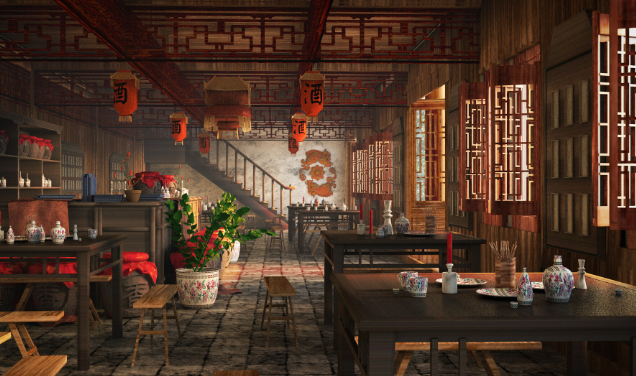
Chinese restaurant dining can turn an ordinary meal into a flavorful adventure filled with unfamiliar ingredients, regional specialties, comforting classics, and exciting textures. The experience becomes even more enjoyable when diners look beyond the most familiar dishes and explore how different cooking methods shape each recipe. A single table can feature delicate dumplings, fragrant noodles, crispy vegetables, savory seafood, and richly seasoned meat. Chinese cuisine https://www.newhongkongchineserestaurant.com/ offers enough variety to suit gentle palates and adventurous eaters alike. Regional influences also create noticeable differences between dishes, giving curious diners plenty of reasons to return and try something new. Whether the goal involves discovering traditional favorites or finding an unexpected menu highlight, Chinese restaurant dining provides plenty of opportunities to explore food at a comfortable pace.
Start With Familiar Chinese Favorites
Beginning with recognizable dishes can make culinary exploration feel more approachable. Dumplings, fried rice, spring rolls, noodles, and stir-fried vegetables provide familiar entry points while still offering plenty of variation. Restaurants may prepare the same type of dish with different fillings, sauces, spices, or cooking techniques. Pan-fried dumplings develop crisp surfaces, while steamed versions offer softer textures. Fried rice can include vegetables, eggs, shrimp, chicken, or other ingredients that create different flavor combinations. Starting with these classics gives diners a reliable foundation before moving toward regional specialties. It also makes shared ordering easier because familiar dishes can balance more adventurous selections around the table.
Explore Regional Chinese Flavors
China’s culinary traditions vary significantly between regions, making regional dishes one of the best ways to expand a restaurant experience. Sichuan cuisine often delivers spicy and aromatic flavors, while Cantonese cooking commonly emphasizes freshness and delicate seasoning. Northern Chinese cuisine has strong traditions involving wheat-based foods such as dumplings, noodles, and steamed buns. Other regions highlight seafood, rice dishes, fermented ingredients, or slow-cooked specialties. These differences reveal how geography, climate, local produce, and cultural history influence food. Diners who explore regional dishes can gradually build a broader appreciation for Chinese cuisine rather than treating it as one single flavor category.
Try Different Cooking Techniques
Cooking methods can completely change the character of an ingredient. Stir-frying uses high heat to create fragrant dishes with crisp vegetables and tender proteins. Steaming offers a gentler approach that can preserve the natural qualities of fish, dumplings, and vegetables. Braising allows ingredients to absorb flavorful liquids over time, creating rich and tender results. Roasting develops aromatic surfaces and deeper flavors in meat and other ingredients. Comparing these techniques can make familiar foods feel new. A diner who enjoys steamed fish may discover an entirely different preference after trying a roasted or braised preparation. Paying attention to technique adds another dimension to the dining adventure.
Build a Table With Contrasting Flavors
A well-planned shared table can include dishes with noticeably different flavor profiles. Rich roasted meat can pair with crisp vegetables, while spicy dishes can sit beside mild rice or delicate seafood. Tangy sauces can refresh the palate after heavier selections, and fragrant noodles can provide a comforting middle ground. This contrast prevents the meal from becoming repetitive. It also allows diners to discover which combinations work best for their preferences. Rather than ordering several dishes that taste almost identical, choosing different textures and seasoning levels can create a more dynamic experience. The table becomes a collection of smaller discoveries instead of one predictable meal.
Discover the Many Forms of Dumplings
Dumplings offer an excellent opportunity for culinary exploration because restaurants can serve them in numerous styles. Fillings may include pork, shrimp, beef, vegetables, mushrooms, or combinations of several ingredients. Steaming, boiling, and pan-frying produce different textures, while dipping sauces can introduce spicy, sour, savory, or aromatic notes. Some regional varieties also feature distinctive shapes and preparation methods. Sharing a plate allows everyone to compare different fillings without ordering large portions. Diners who already enjoy familiar dumplings can use them as a starting point for discovering regional variations. Their versatility makes them one of the most rewarding choices for an exploratory Chinese restaurant meal.
Let Noodles Lead the Way
Noodles can provide another path into Chinese culinary traditions. Restaurants may serve them in savory broths, stir-fried dishes, or preparations coated with aromatic sauces. Thick noodles can offer a chewy texture, while thin varieties create a lighter bite. Toppings such as beef, pork, shrimp, mushrooms, greens, and scallions add further variety. Different regions have developed their own noodle traditions, so exploring several styles can reveal significant differences in texture and seasoning. A warm noodle soup may suit a quiet evening, while stir-fried noodles can bring more aroma and texture to a shared table. Either way, noodles offer comfort while leaving plenty of room for discovery.
Look Beyond Meat-Centered Dishes
Vegetable and tofu dishes deserve attention when exploring a Chinese restaurant menu. Chinese cooking can transform simple vegetables through high-heat stir-frying, steaming, braising, and aromatic seasoning. Bok choy, Chinese broccoli, eggplant, mushrooms, snow peas, bean sprouts, and leafy greens can each take on different characteristics depending on the preparation. Tofu can also absorb sauces and spices while providing a satisfying texture. These dishes bring freshness to a table filled with richer foods. They also demonstrate how Chinese cuisine can create depth without relying entirely on meat. Trying vegetable-focused dishes may introduce diners to ingredients they rarely encounter in everyday meals.
Experiment With Sauces and Seasonings
Sauces can dramatically influence the character of Chinese restaurant dishes. Soy sauce provides savory depth, vinegar adds acidity, chili introduces heat, and sesame contributes nutty fragrance. Hoisin, oyster sauce, fermented bean pastes, and other seasonings create additional possibilities. Diners can pay attention to how these flavors interact with different ingredients instead of treating sauces as simple toppings. A tangy sauce may brighten fried food, while a savory glaze can enhance roasted meat. Chili can bring energy to noodles or vegetables, whereas lighter seasoning may better suit delicate seafood. Understanding these combinations makes it easier to choose dishes that complement one another.
Pair Food With Traditional Tea
Tea can enhance the dining experience while providing a refreshing contrast to flavorful dishes. Jasmine tea offers floral notes, green tea brings a fresh character, and oolong or pu-erh can provide deeper aromas. Sharing a pot of tea also fits naturally with communal dining because guests can pour cups while enjoying conversation. Tea can refresh the palate after fried foods or rich sauces, helping diners appreciate different dishes throughout the meal. For those interested in culinary traditions, tea provides another way to experience Chinese food culture beyond the main menu. It adds a calm element to a meal that may otherwise feature a wide range of bold flavors.
Make Discovery Part of the Meal
The best Chinese restaurant adventures often come from combining familiar favorites with dishes that challenge expectations. A table might begin with dumplings and fried rice before moving toward regional noodles, steamed seafood, aromatic vegetables, or a specialty recommended by the restaurant. Sharing makes these choices easier because everyone can taste small portions and exchange opinions. Over time, diners can develop a personal list of favorites while continuing to explore unfamiliar dishes. Chinese restaurant dining rewards that curiosity because its regional diversity, cooking techniques, and ingredient combinations offer almost endless possibilities. Each visit can therefore become another chance to discover a new flavor, texture, or tradition.