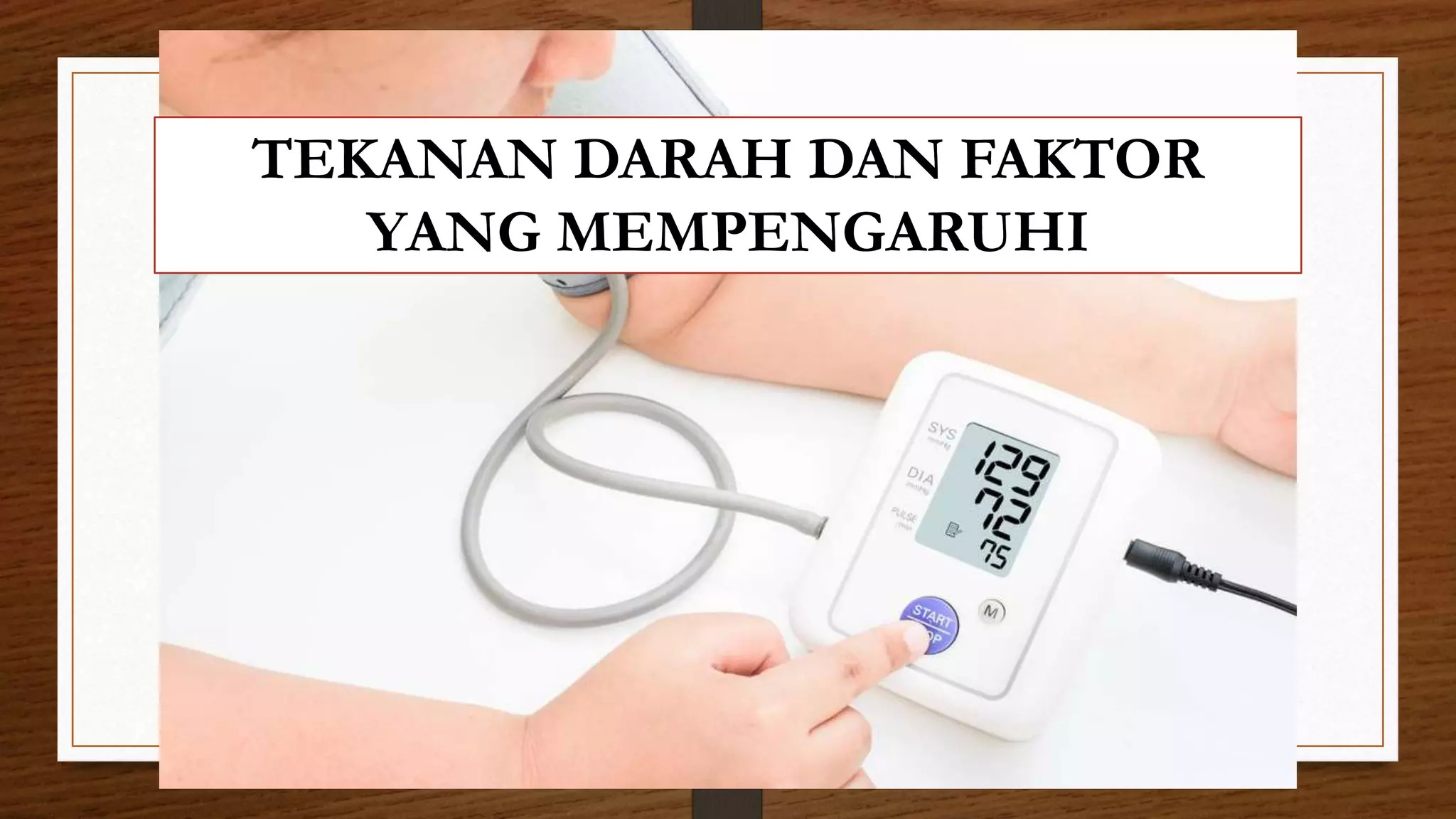
Tekanan darah merupakan salah satu indikator penting untuk mengetahui kondisi kesehatan tubuh. Pengukuran ini menunjukkan besarnya tekanan yang di berikan darah terhadap dinding pembuluh darah ketika jantung memompa dan beristirahat di antara denyutnya. Memahami kondisi tersebut membantu seseorang mengenali perubahan tubuh dan menyadari pentingnya pemeriksaan kesehatan secara berkala. Informasi tentang https://healthvibe.blog/ juga dapat menambah pemahaman mengenai fungsi sistem peredaran darah.
Memahami Angka Hasil Pengukuran Tekanan Darah
Hasil pengukuran biasanya terdiri dari dua angka yang menggunakan satuan milimeter air raksa (mmHg). Angka pertama disebut tekanan sistolik, yaitu tekanan ketika jantung berkontraksi untuk memompa darah. Angka kedua di sebut tekanan diastolik, yaitu tekanan ketika jantung beristirahat di antara dua denyut.
Sebagai contoh, hasil 120/80 mmHg menunjukkan angka sistolik sebesar 120 dan angka diastolik sebesar 80. Namun, tenaga kesehatan tidak hanya mengandalkan satu hasil pemeriksaan untuk menilai kondisi seseorang. Mereka juga mempertimbangkan pengukuran berulang, riwayat kesehatan, dan pedoman klinis yang berlaku.
Faktor yang Memengaruhi Tekanan Darah
Kondisi ini dapat berubah sepanjang hari karena berbagai faktor. Aktivitas fisik, misalnya, dapat meningkatkan tekanan untuk sementara karena jantung bekerja lebih keras guna memenuhi kebutuhan oksigen tubuh. Emosi seperti cemas, marah, atau stres juga dapat memicu perubahan melalui respons alami tubuh.
Pola makan turut memengaruhi kondisi pembuluh darah. Konsumsi garam berlebihan dapat meningkatkan risiko hipertensi pada sebagian orang, terutama mereka yang sensitif terhadap natrium. Selain itu, kebiasaan kurang bergerak, merokok, konsumsi alkohol, dan kualitas tidur yang buruk dapat berkontribusi terhadap risiko gangguan kardiovaskular.
Usia, faktor keturunan, kondisi kesehatan tertentu, serta penggunaan beberapa jenis obat juga dapat memengaruhi hasil pengukuran. Oleh karena itu, seseorang sebaiknya tidak menarik kesimpulan hanya berdasarkan satu angka pemeriksaan.
Dampak Perubahan terhadap Kesehatan Tubuh
Tekanan darah yang terus berada di atas rentang yang di anjurkan dapat meningkatkan beban kerja jantung dan memberi tekanan tambahan pada pembuluh darah. Jika berlangsung dalam jangka panjang, kondisi tersebut dapat meningkatkan risiko penyakit jantung, stroke, serta gangguan ginjal.
Sebaliknya, tekanan yang terlalu rendah juga dapat menimbulkan keluhan, seperti pusing, lemas, atau pandangan kabur. Meski demikian, kondisi tersebut tidak selalu menandakan masalah kesehatan apabila seseorang tidak mengalami gejala dan hasilnya sesuai dengan keadaan tubuhnya.
Cara Memantau Kondisi Tubuh
Pengukuran yang tepat membantu seseorang memahami perubahan kondisi tubuh. Sebelum memeriksa, duduklah dengan tenang selama sekitar lima menit. Pastikan punggung bersandar, kedua kaki menapak di lantai, dan lengan berada sejajar dengan jantung. Hindari merokok, mengonsumsi minuman berkafein, atau berolahraga selama 30 menit sebelum pemeriksaan.
Bagi yang ingin memahami cara mengukur tekanan darah dengan benar, gunakan alat yang sesuai dan ikuti petunjuk pemakaiannya. Catat hasil pemeriksaan beserta waktu pengukuran agar tenaga kesehatan dapat menilai pola perubahan dari waktu ke waktu.
Kebiasaan Sehari-hari untuk Menjaga Kesehatan Jantung
Pola hidup berperan penting dalam menjaga kesehatan jantung dan pembuluh darah. Konsumsi makanan bergizi seimbang, batasi asupan garam, lakukan aktivitas fisik secara teratur, dan cukupi waktu tidur. Mengelola stres serta menghindari rokok juga mendukung fungsi sistem peredaran darah.
Jika hasil pengukuran berulang menunjukkan angka di luar rentang yang di anjurkan, konsultasikan kondisi tersebut dengan tenaga kesehatan. Pemeriksaan profesional dapat membantu menentukan penyebab dan langkah penanganan yang sesuai, terutama apabila perubahan di sertai keluhan yang mengganggu.