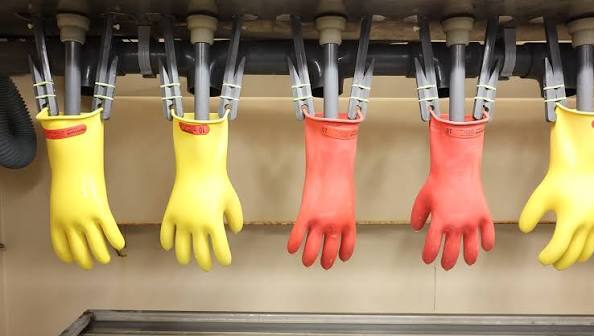
Glove testing plays an important role in helping businesses verify product quality before placing large orders. Disposable gloves support daily operations in healthcare facilities, laboratories, food processing plants, and industrial workplaces. However, not every glove offers the same level of durability, comfort, or protection. Testing samples before large-scale procurement helps buyers evaluate whether a product meets their operational requirements.
Ordering gloves in bulk without proper evaluation can create avoidable problems. Products that tear easily, fit poorly, or fail to provide suitable protection may disrupt workflows and increase replacement costs. Reviewing glovesupply.us before committing to a supplier allows purchasing teams to make more informed decisions and identify potential quality issues early.
How Glove Testing Verifies Product Quality
Glove testing helps determine whether products meet specified quality requirements. Depending on the glove type and intended application, assessments may examine dimensions, thickness, tensile strength, elongation, and resistance to punctures. These properties provide useful information about how gloves may perform during routine handling.
Visual inspections also help identify manufacturing defects, such as uneven surfaces, visible tears, or inconsistent shapes. For gloves intended to provide a barrier against liquids or contaminants, appropriate integrity tests can help detect leaks and other weaknesses. The specific testing methods should match the product category and applicable industry standards.
Buyers should review documented test results rather than relying entirely on product descriptions. Certificates, technical data sheets, and quality reports can help establish whether a supplier’s claims align with the requirements of the intended workplace.
Evaluating Protection for Specific Applications
Different workplaces expose gloves to different hazards, so testing should reflect the tasks employees perform. Healthcare facilities may prioritize barrier integrity and compliance with relevant medical glove standards. Food businesses need products suitable for their intended food-contact applications, while laboratories may require gloves with verified resistance to particular chemicals.
Chemical resistance deserves special attention because a glove that performs well against one substance may not protect against another. Buyers should review compatibility data for the specific chemical, concentration, temperature, and expected exposure duration. They should also follow manufacturer instructions when selecting gloves for specialized work.
For organizations comparing suppliers, glove quality testing procedures can help establish consistent evaluation criteria. Applying the same requirements to each sample makes product comparisons more meaningful and reduces the chance of choosing gloves based on price alone.
Glove Testing for Comfort, Fit, and Usability
Protection is essential, but workers also need gloves that allow them to perform tasks comfortably. During sample evaluations, employees can assess fit, finger movement, grip, and tactile sensitivity. These factors matter in activities that require handling small instruments, operating equipment, or performing repetitive movements.
A glove that feels uncomfortable may interfere with productivity or encourage workers to adjust it frequently. Incorrect sizing can also affect dexterity and increase the likelihood of accidental damage. Testing samples with representative users helps purchasing teams understand how a product performs under realistic working conditions.
Feedback should be collected systematically so decision-makers can compare different sizes and models. This process also helps identify whether a supplier offers suitable options for the range of hand sizes within the workforce.
Glove Testing and Supplier Quality Evaluation
Large-scale procurement requires more than a successful sample test. Buyers should also assess supplier consistency, production capacity, documentation, delivery schedules, and procedures for handling quality complaints. A product that meets requirements in one sample may still need ongoing quality monitoring across future shipments.
Businesses can establish acceptance criteria before ordering and request documentation for relevant product specifications. They may also arrange periodic inspections or review batches when appropriate. Clear communication about material, size, packaging, and performance requirements helps prevent misunderstandings between buyers and suppliers.
Comparing tested samples with the specifications agreed upon before purchase gives procurement teams a stronger basis for supplier selection and helps maintain consistent glove quality across repeated orders.